
Access and Beyond — For Performers
Practical steps musicians can take before the show, at the venue, and on stage: recorded descriptions, tactile tours, verbal and spatial cues that help blind and low-vision fans build a mental map of the performance.
Read the full text of the For Performers guide
Access and Beyond — Creating Welcoming Live Music Experiences for Blind and Visually Impaired Audiences. For Performers.
Before the Show
Recorded Description
Collaborate with the venue to prepare recorded audio description accessible online or by phone. You can describe the band, your music, stage layout, instruments, lighting, and other visual production elements.
Check Digital Accessibility
Your website and promotional emails should conform to the Web Content Accessibility Guidelines, preferably WCAG 2.2 Level AA. Search for “W3C WAI Easy Checks accessibility”.
At the Venue
Tactile Tours
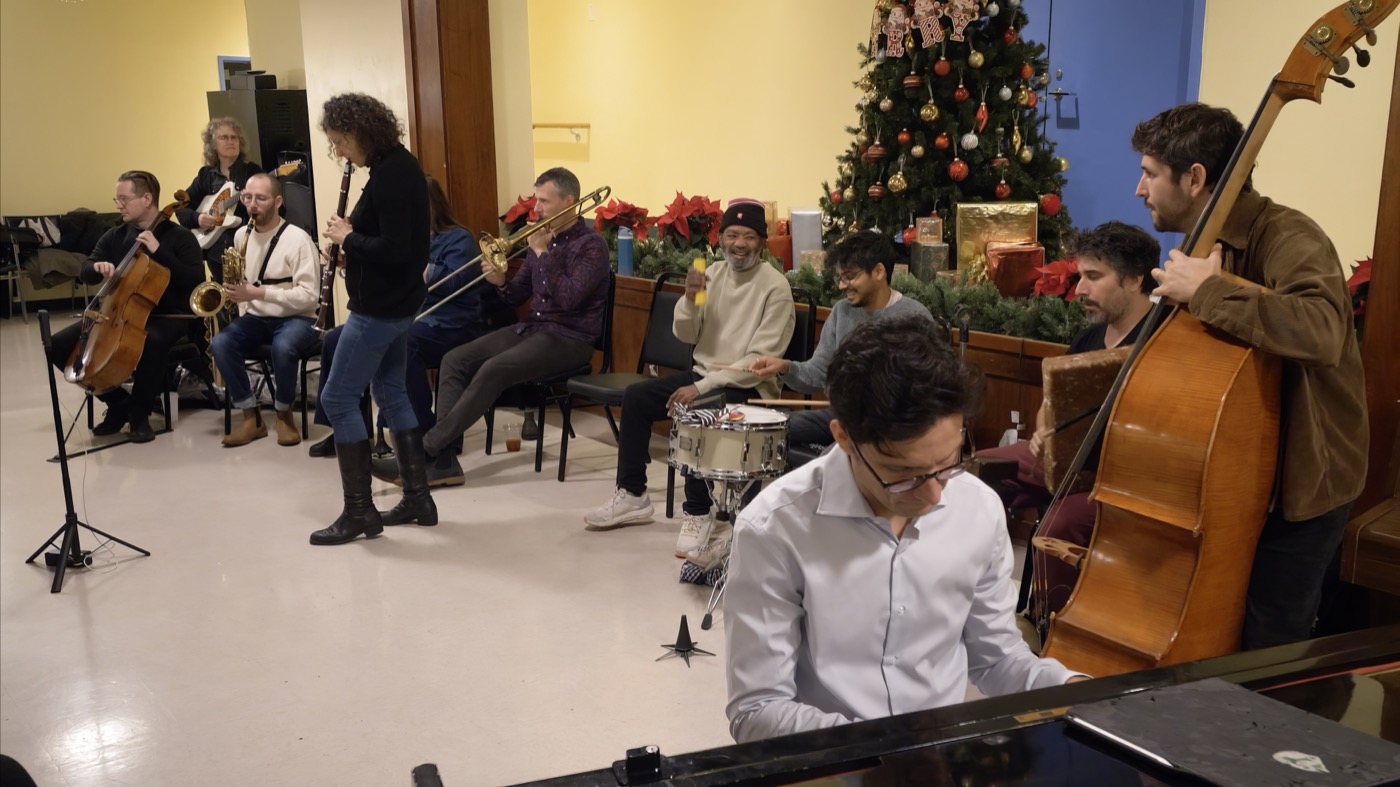
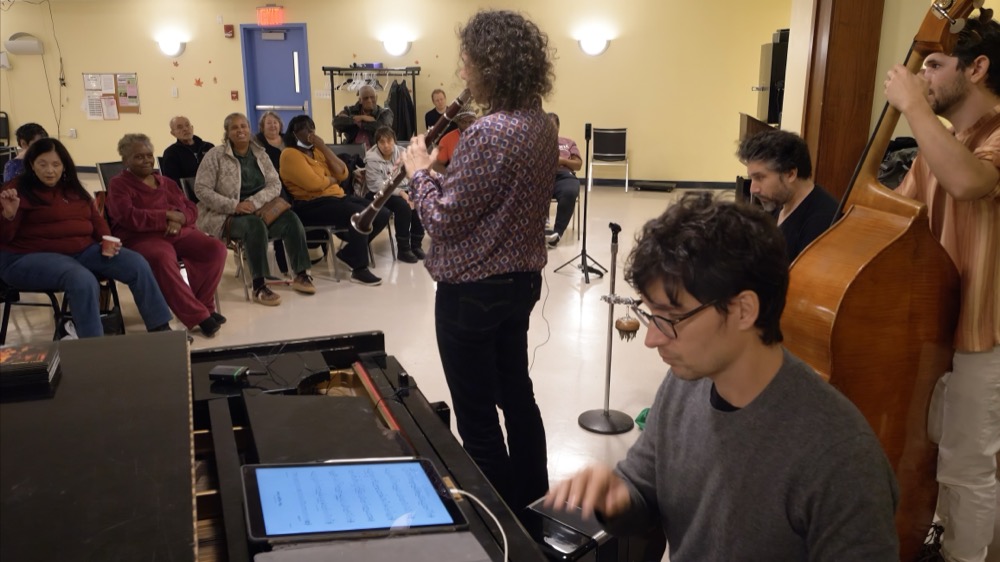
Collaborate with the venue to provide a pre-concert tour where fans can touch instruments, costumes, props, or stage elements. You can also describe the performers and where they are positioned onstage.
On Stage
Use Visual Descriptions
When introducing yourself and other musicians, identify where each person is located on stage. Phrases like “On my right, wearing a bright green shirt…”, “to my left, sitting on a stool wearing a smart navy blue jacket…” or “Behind me at the piano, with the yellow socks you cannot miss…” can help fans build a mental map and image of the performers, without interrupting the flow of the performance.
Bring People In
Remember that not all fans can see what’s happening on stage. It’s a good idea to narrate reactions to physical action. For example, you could say “for those who missed it, I almost dropped my guitar,” to put the audible audience response in context.
Preserve Spatial Cues
Blind and low-vision fans may use spatial auditory cues to understand where performers are located. During introductions or pre-show orientation, consider having each musician speak, or play briefly from their stage position, using little or no sound reinforcement.